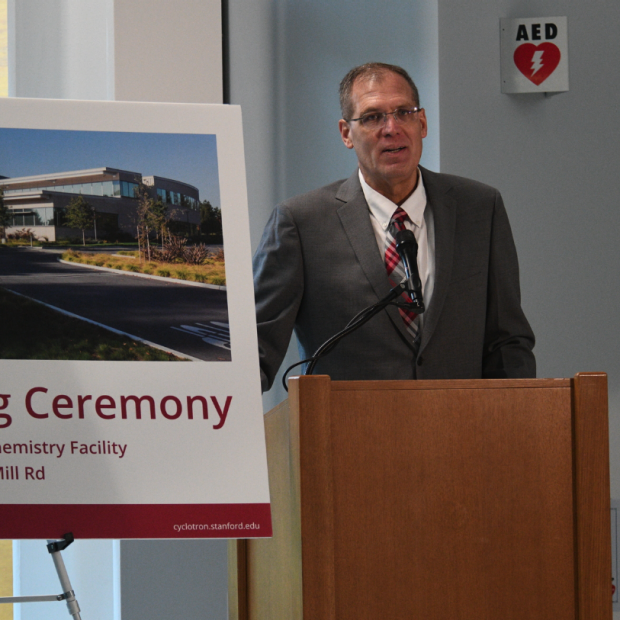
New Cyclotron and Radiochemistry Facility
On January 31, 2024 the ribbon cutting ceremony was held to celebrate this significant expansion.
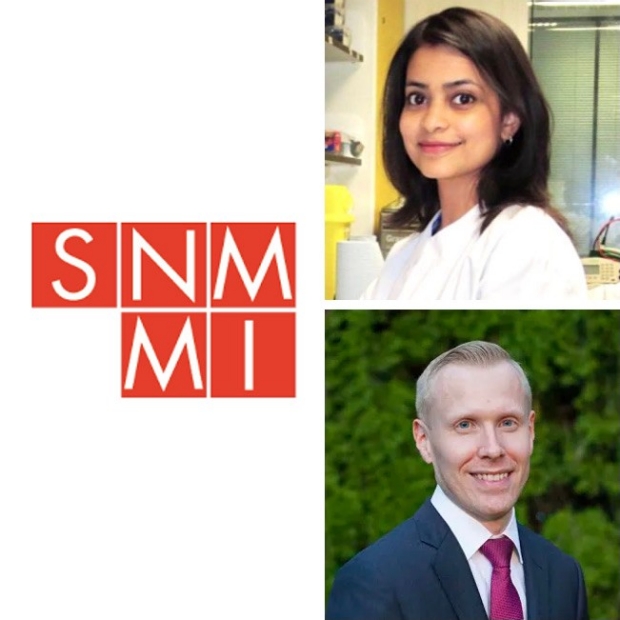
2023 SNMMI "Ones to Watch"
Israt Alam, PhD, and Kip Guja, MD, PhD, were selected as early career professionals with the potential to shape the future of precision medicine across all spectrums of the field.
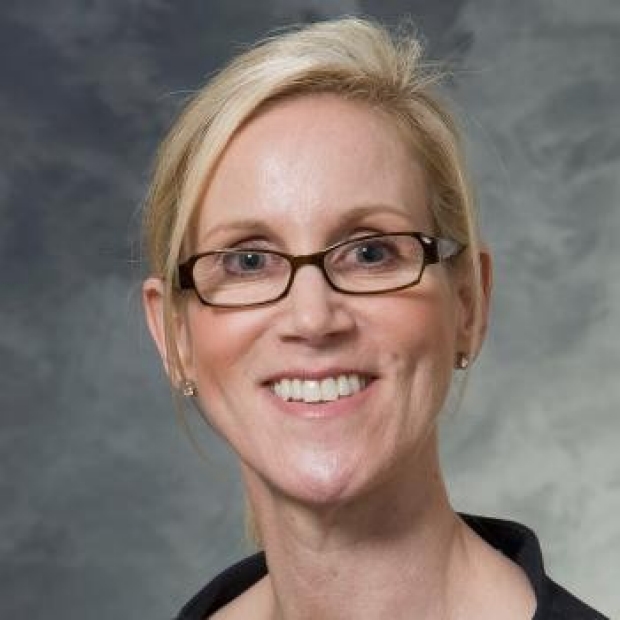
New Editor in Chief for SBI Journal
Wendy DeMartini, MD, named as the new editor in chief for the Journal of Breast Imaging by the Society of Breast Imaging (SBI).

2023 Distinguished Investigator Council
Aya Kamaya, MD, Jennifer McNab, PhD, Kawin Setsompop, PhD, and Avnesh Thakor, MD, PhD were inducted into the Academy’s 2023 Distinguished Investigator Council.

New President of SNMMI
Helen Nadel, MD, named the president of the Society of Nuclear Medicine and Molecular Imaging (SNMMI) at its 2023 Annual Meeting.

NYTimes: Her Unusual Wheeze Was Getting Worse. What Was It?
Emily Tsai, MD, and her clinical specialty featured in New York Times Magazine.
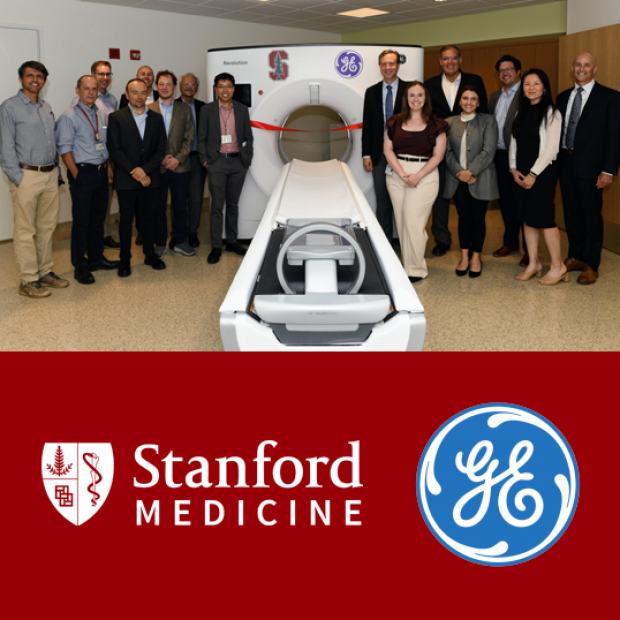
Photon Counting CT Installed
A new prototype GE HealthCare photon counting CT (PCCT) scanner has been installed at 3155 Porter Drive, only the second such scanner in the United States.
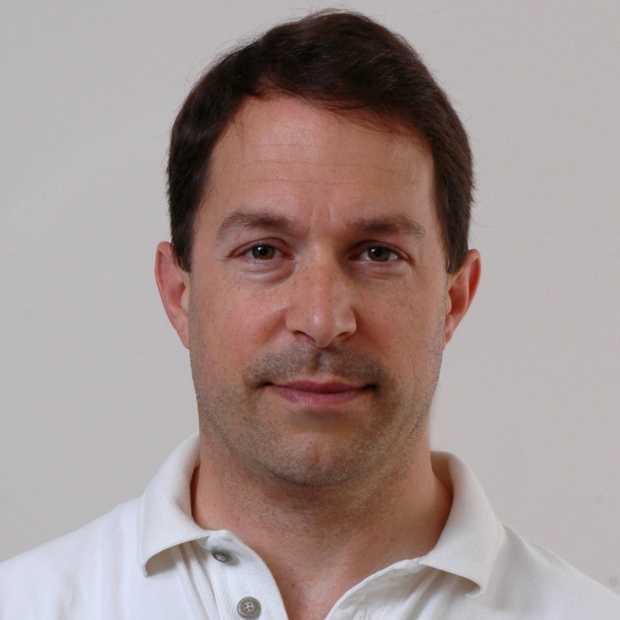
2023 SNMMI Mars Shot Fund Award
Craig Levin, PhD, receives Society of Nuclear Medicine and Molecular Imaging (SNMMI) Mars Shot Fund award.
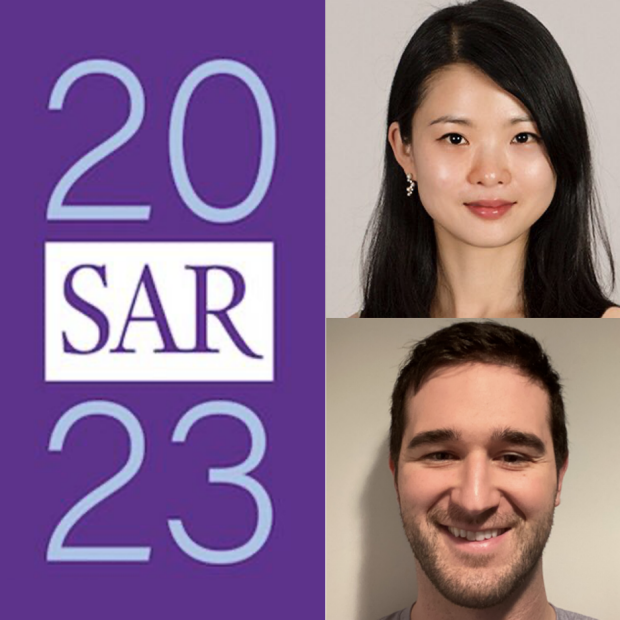
2023 SAR Annual Meeting Awardees
Luyao Shen, MD, and Simon Lemieux, MD, received awards at the SAR Annual Meeting.
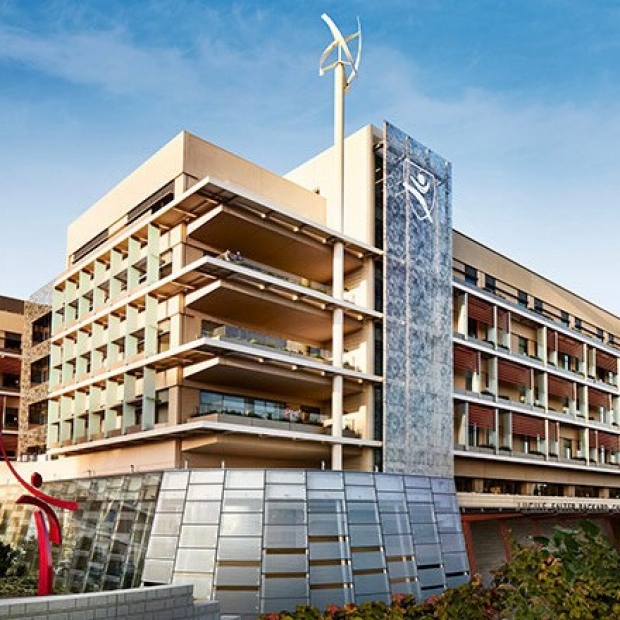
Stanford Pediatric Nuclear Medicine in the News
NBC Bay Area News interviews Helen Nadel, MD, and highlights Stanford Pediatric Nuclear Medicine in helping treat children with cancer.
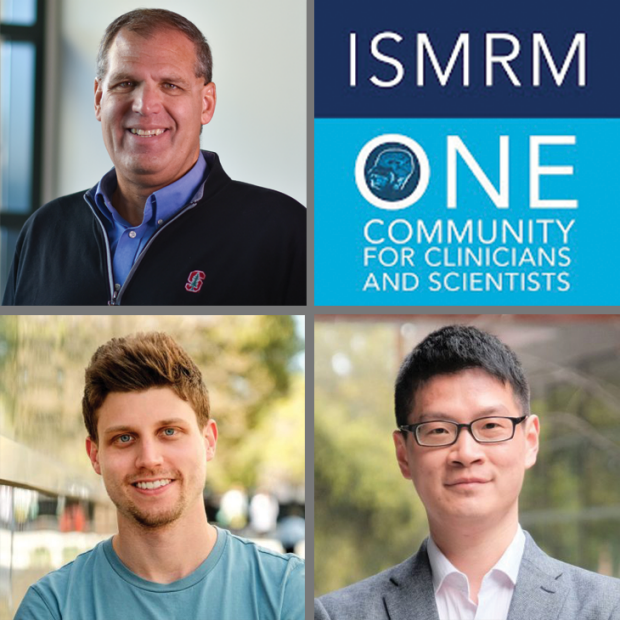
Gold, Barbieri, and Dai receive honors at 2023 ISMRM
Garry Gold awarded a Gold Medal and Marco Barbieri and Erpeng Dai honored as a Junior Fellow.
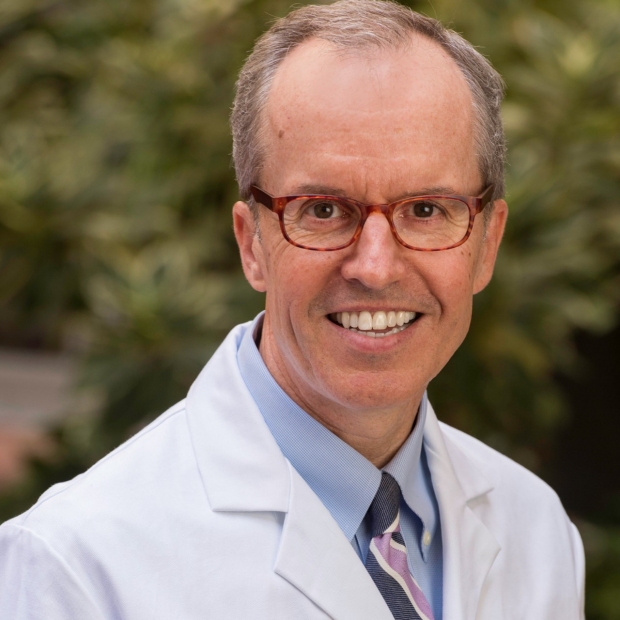
New Chair of RSNA Board of Directors Announced
Curtis Langlotz, MD, PhD, has been appointed as the new Chair of RSNA Board of Directors.
PATIENT CARE
To Schedule an Exam:
Call (650) 723-6855. Our expert radiologists work with highly trained technologists and nursing staff to provide personalized imaging for our patients. We are committed to quality service and patient safety.
Radiology Physician to Physician Consult Line: (650) 736-1173. Available 24/7/365.
RESEARCH
Our expert scientists lead research in biomedical imaging using MRI, CT, PET/CT, ultrasound, bioinformatics and other developing modalities. Our high NIH funding reflects our research goals and interests in all imaging related areas.